Meditation and Practice
Breath Meditation for Beginners
Start breath meditation the Theravada way: posture, timing, the wandering mind and how to build a ten minute daily habit.
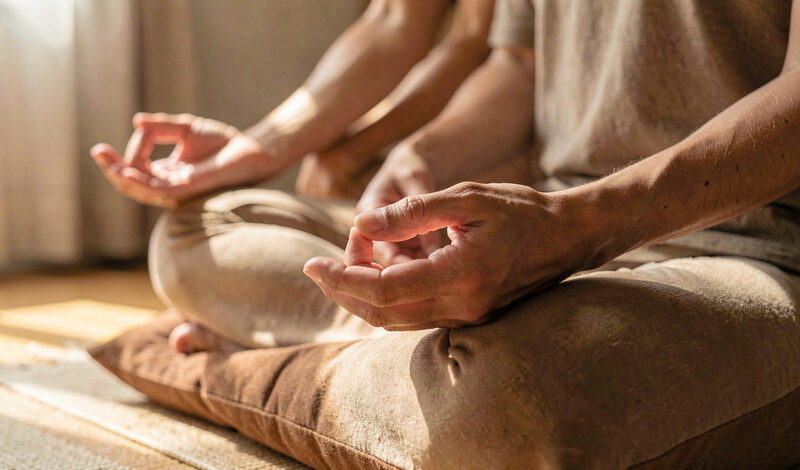
Of all the meditation methods taught in the Theravada tradition, mindfulness of breathing is the one most beginners are given first. It needs no equipment, no belief and no teacher standing in the room. What it does need is a body held reasonably still and a willingness to notice the same plain thing over and over: the breath coming in and going out. This guide lays out the method the way it is taught in Thai forest temples and Australian centres, in terms a person can use tonight.
What breath meditation actually is
The Pali name is anapanasati: mindfulness directed to the in-breath and the out-breath. The Buddha's instructions for it survive as a discourse in the Pali canon, where the practice runs through sixteen steps in four groups, from simply knowing a long breath as long to contemplating the fading of all conditioned things. A beginner needs only the first step: know the breath.
The point is not to breathe in a special way. The breath stays ordinary. What is trained is attention itself, which learns to return to a chosen object instead of chasing every thought that arrives. That returning is the exercise; everything else is commentary.
Setting up a sit
A quiet room and ten unbroken minutes are enough. Sit on a chair with feet flat on the floor, or on a cushion on the floor with the knees supported. The back is upright but not rigid; imagine the spine stacked like coins rather than pulled like a rope. Hands rest in the lap or on the thighs. Eyes close or lower to a soft gaze a metre ahead.
Timing helps more than most beginners expect. A timer removes the question of how long is left, which is otherwise the thought that ends most first sittings. Ten minutes is a workable start; twenty is a common daily session among people who have practised for a year.
The method, step by step
Once seated, take two or three slightly deeper breaths just to arrive in the body, then let the breathing find its own rhythm. Pick the spot where the breath is easiest to feel: the rim of the nostrils, the upper lip, the rise and fall of the abdomen. Rest attention there.
Now the actual practice, which fits in one sentence: know this breath, and when you notice you have been thinking, come back and know the next one. The noticing is not a failure. A wandering mind caught in the act of wandering is the practice working exactly as intended. The only real failure is staying gone.
Some people find counting useful in the first weeks: count each out-breath silently up to ten, then start again. When the count is lost, restart at one. When counting feels like scaffolding rather than support, drop it and simply know the breath.
What a wandering mind tells you
New meditators usually report that they cannot keep the breath for more than a few seconds. That is universal and it is the material. The texts describe five recurring hindrances: wanting, aversion, sleepiness, restlessness and doubt. Each will visit in turn, sometimes all five in a single sitting. The training is to see each one arrive, name it quietly if that helps, and return to the breath without a story about what the visit means.
Pleasant sittings are no more advanced than difficult ones. A sit spent noticing restlessness is a sit in which restlessness was clearly seen, which is closer to the point than ten minutes of agreeable drift.
Building the habit
Continuity beats duration. Ten minutes every day trains more than an hour once a week, because the mind is being taught a default, not an event. Attaching the sit to an existing anchor, such as first thing after waking or just before dinner, works better than waiting for a free hour to appear.
Many Australians keep the habit alive by sitting with a group once a week. Thai temples across Queensland hold regular meditation sessions open to visitors, and the guide to Queensland temples shows where they are. A first visit is easier after reading the etiquette guide.
Where the practice leads
Breath meditation in the Theravada frame is the foundation for two things: concentration, the steadying of attention on a single point, and insight, the clear seeing of experience as it changes. Most teachers hold the two together rather than as separate schools. A stable home practice is also the sensible preparation for a retreat; the retreat guide explains what to expect when one sit a day becomes a full timetable.
For the classic instructions in full, the essay A Guided Meditation by Thanissaro Bhikkhu at Access to Insight remains the reference most teachers recommend, and the wider frame of the tradition is set out in the overview of Theravada Buddhism.