Meditation and Practice
Meditation and Practice
Breath meditation, posture, retreats and daily continuity in the Theravada tradition, explained for Australians starting out.
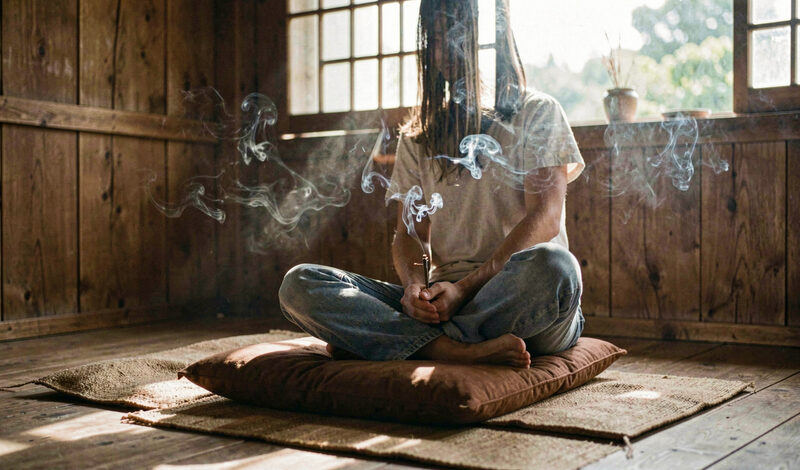
Meditation is the practice most Australians meet first when they walk into a Theravada Buddhist temple or sit down with a cushion at home. The tradition behind it is old and very specific: a method of training attention that begins with the breath, steadies into concentration and opens into clear seeing of how the mind actually works. This section of The Paperbark Journal gathers the guides that take a reader from the first ten minutes on a cushion to the first multi-day retreat, without mystique and without pressure.
What this section covers
Three kinds of questions keep coming back from readers. The first is mechanical: how to sit, where to put the attention, what to do when the mind wanders after nine seconds. The second is practical: how long to sit, at what time of day, in what kind of room, with what expectations. The third is about commitment: when a home practice stops being enough and a retreat becomes the sensible next step. Each guide in this section answers one of those questions directly.
The starting point is the beginner's guide to breath meditation, which lays out a plain method drawn from the anapanasati instructions: sit comfortably upright, know the breath at one clear spot, notice when attention leaves, come back without commentary. Nothing in it requires a temple, a teacher's permission or special equipment.
Once a daily sitting holds, the guide to a first retreat in Australia explains what actually happens on a Theravada retreat: the timetable, the silence, the eight precepts most centres ask retreatants to keep, the food rules and the questions worth asking before booking a place.
Why the breath comes first
In the Theravada texts the breath is not the only meditation subject, but it is the one the Buddha is recorded as using himself on the night of his awakening, and it remains the default teaching in Thai forest temples. The breath is free, always present, ethically neutral and impossible to lose. A person who can stay with ten consecutive breaths already has the core skill that every later method refines.
Australian teachers in the Theravada line, many of them trained in the Thai forest tradition of Ajahn Chah, tend to teach the same plain sequence: establish the body, know the breath, notice the hindrances, come back. The guides in this section follow that order.
Practice and the rest of life
Meditation does not sit apart from the rest of Buddhist practice. The same mind that is steadied on the cushion is the one that keeps the five precepts on an ordinary Tuesday and offers dana to the monastic community on a Sunday. Readers who want the wider frame will find it in the teachings section; those planning a visit to a temple for a group sit should read the temple etiquette guide first.
A note on walking practice
Almost every retreat pairs sitting meditation with walking meditation, and the two train the same skill on a different base. Instead of the breath, the object is the foot: the lifting, moving and placing of each step, done slowly enough that the mind can follow. Beginners often find walking easier than sitting, because the object is larger and less subtle. The guides here treat both as one practice; the cushion is simply where most people start.
- Breath Meditation for Beginners
Start breath meditation the Theravada way: posture, timing, the wandering mind and how to build a ten minute daily habit.
- Preparing for a First Retreat
What a Theravada retreat day looks like in Australia: silence, sittings, interviews, food rules, packing and realistic expectations.